INDÚSTRIA
Prediction Markets Hit the Regulatory Wall - O que isso significa for Jogos de CFTV
Minnesota banned prediction markets in May, the CFTC's June rule underwhelmed, e 20+ state lawsuits are live. The demand for priced-probability betting is real. CCTV games sit in a much cleaner regulatory lane.
Informação de origem
Situação: Editorial
Fonte primária: equipe editorial cctvgames.global
Last updated: 2026-07-02
The US prediction market indústria took two hard hits in the last six weeks - Minnesota became the first state to ban Kalshi and Polymarket outright on 18 May, e o CFTC's long-awaited federal rule on 11 June turned out to be a contract-by-contract review process rather than the blanket safe harbour operators wanted. Kalshi still cleared 1.9 billion dollars in college basketball wagers in February alone. The demand for prediction-shaped betting is not going anywhere. The question is where that demand ends up next.
What just happened
Minnesota Governor Tim Walz signed SF4760 into law on 18 May 2026, making Minnesota the first US state to outlaw prediction market platforms outright, effective 1 August. The federal government sued Minnesota within a day, according to the RotoWire regulatory timeline. The CFTC's proposed rule, published 11 June, sets up a 90-day "public interest" review that catches most of the indústria's volume - sports, politics, national security - and was described by Bloomberg's editorial board as "a promise to make rules up later, one contract at a time".
By early 2026 more than twenty state lawsuits and cease-and-desist actions were live against prediction market operators, per NCSL. The AGA estimates states have lost over 600 million dollars in tax revenue to unregulated event contracts, according to MultiState. The Third Circuit ruled the Commodity Exchange Act preempts state gambling law for CFTC-registered exchanges. A Supreme Court fight looks inevitable.
Why the demand is real even if the vehicle is unstable
Prediction markets exploded because they scratched a psychological itch that fixed-odds sports betting does not. The user is not picking a team to win, they are pricing a probability. That is a subtly different game - it feels like análise rather than fandom. When Kalshi logged 1.9 billion dollars on college basketball in a single month, that was not casual bettors. That was engaged players treating the format as a skill exercise.
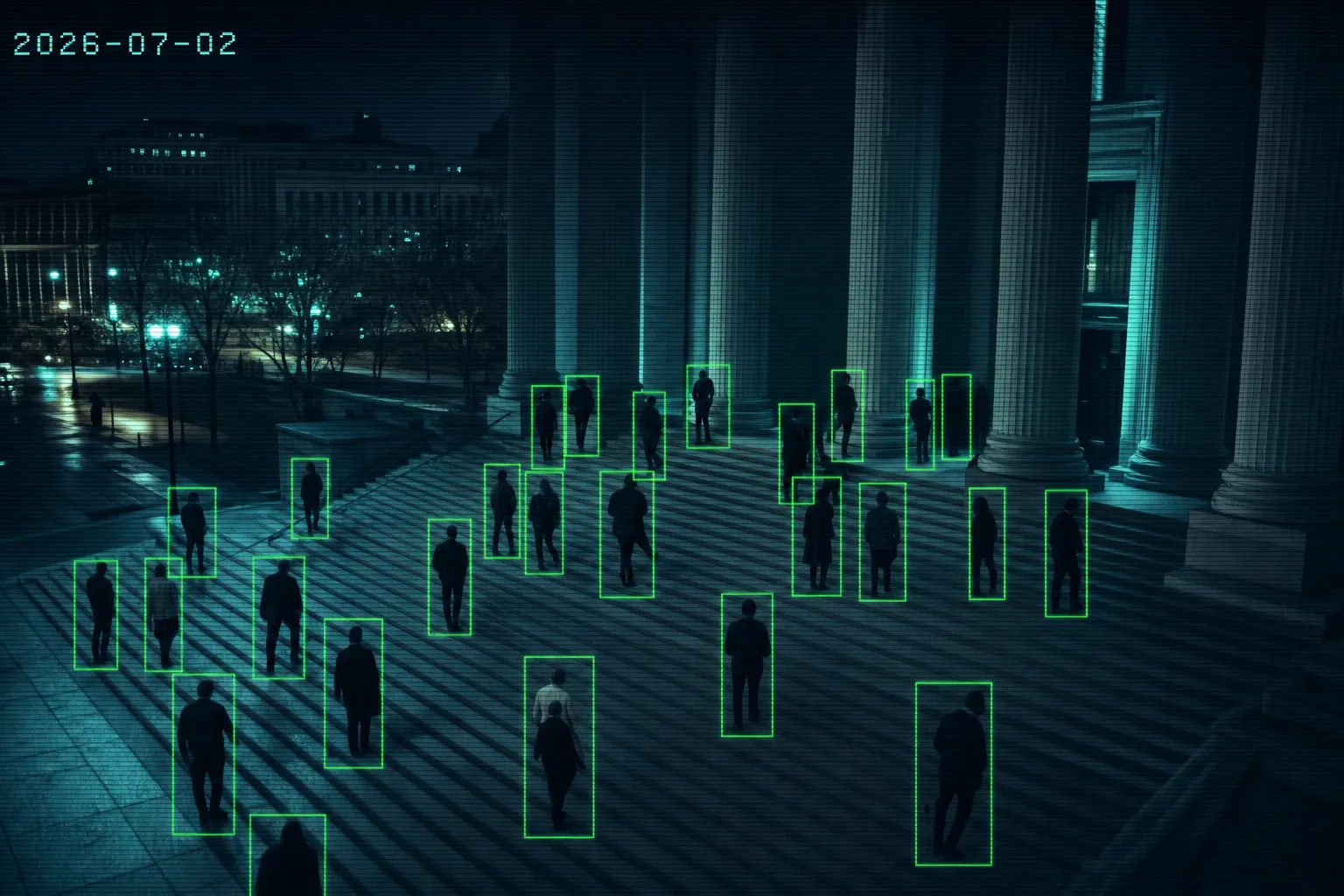
CCTV games sit adjacent to that itch. As we covered in the psychology of prediction-based gambling, the format activates different reward circuits than pure-chance slots. The player watches a real-world event unfold on camera and predicts a count - cars through a Bangkok junction, ducks in the Rio Pato, laps of a snow slope. It looks like reading traffic, not spinning a reel. That is the same "priced probability" feeling prediction markets deliver, delivered in a two-minute round rather than a two-month contract.
The regulatory contrast that actually matters
Prediction market operators are stuck arguing they are financial products, not gambling. That framing gave them access to states like Utah and Texas where sports betting is banned. It also put them in a jurisdictional fight with 38 attorneys general and now Minnesota's explicit ban. The federal preemption argument may win at the Supreme Court, ou it may not.
CCTV games do not have that argument to make, e do not need it. The format is licensed as casino content in the jurisdictions it operates in - carried by Estaca, Roobet and Embaralhar across all three games, e by Arrasado on Hora do Rush only. The regulator classification is settled. The compliance surface is the operator's normal casino stack, not a novel derivatives argument. When the UK ASA and UKGC opened AI ad monitoring on the category in June, as covered in the UKGC and ASA AI ad monitor piece, the framework already existed - it just applied to a new game type.
What comes next
Two forecasts. First, the prediction market user base is younger and more engaged than the average sportsbook cohort - some of that demand will migrate to whichever formats offer a similar priced-probability experience with a stable regulatory footing. CCTV games are not the only candidate, but they are one of the cleanest. Second, if the Supreme Court sides with the states, the vertical takes a large legal hit e o platforms that already sit inside the licensed casino stack look structurally better positioned than the ones fighting jurisdictional wars.
Watch three things over Q3 - whether the 155.io AI engine ships new locations that lean into the priced-probability framing, whether operators start marketing CCTV games alongside prediction-market-style analytics rather than as a novelty, e whether the video pipeline gets a "count log" viewer that makes the proof surface visible to the player in the way a Kalshi order book is visible today.
The prediction market gold rush ran into a legal wall. The demand it uncovered is still there. Where to play and jogo responsável apply as always - the format is fast, the rounds are short, set a session limit before you start.
O jogo envolve riscos – nunca aposte mais do que você pode perder.
Mais notícias