ANALYSIS
Why CCTV Games Hook Your Brain Differently Than Slots
Prediction-based gambling activates different reward circuits than pure chance. Research into skill-based gaming explains why CCTV games retain players longer.
Source Information
Status: Editorial
Primary source: cctvgames.global editorial team
Last updated: 2026-04-02
CCTV prediction games like Rush Hour and Duck River are retaining players at rates that traditional slot formats cannot match - and emerging research into skill-based gambling suggests the reason is neurological.
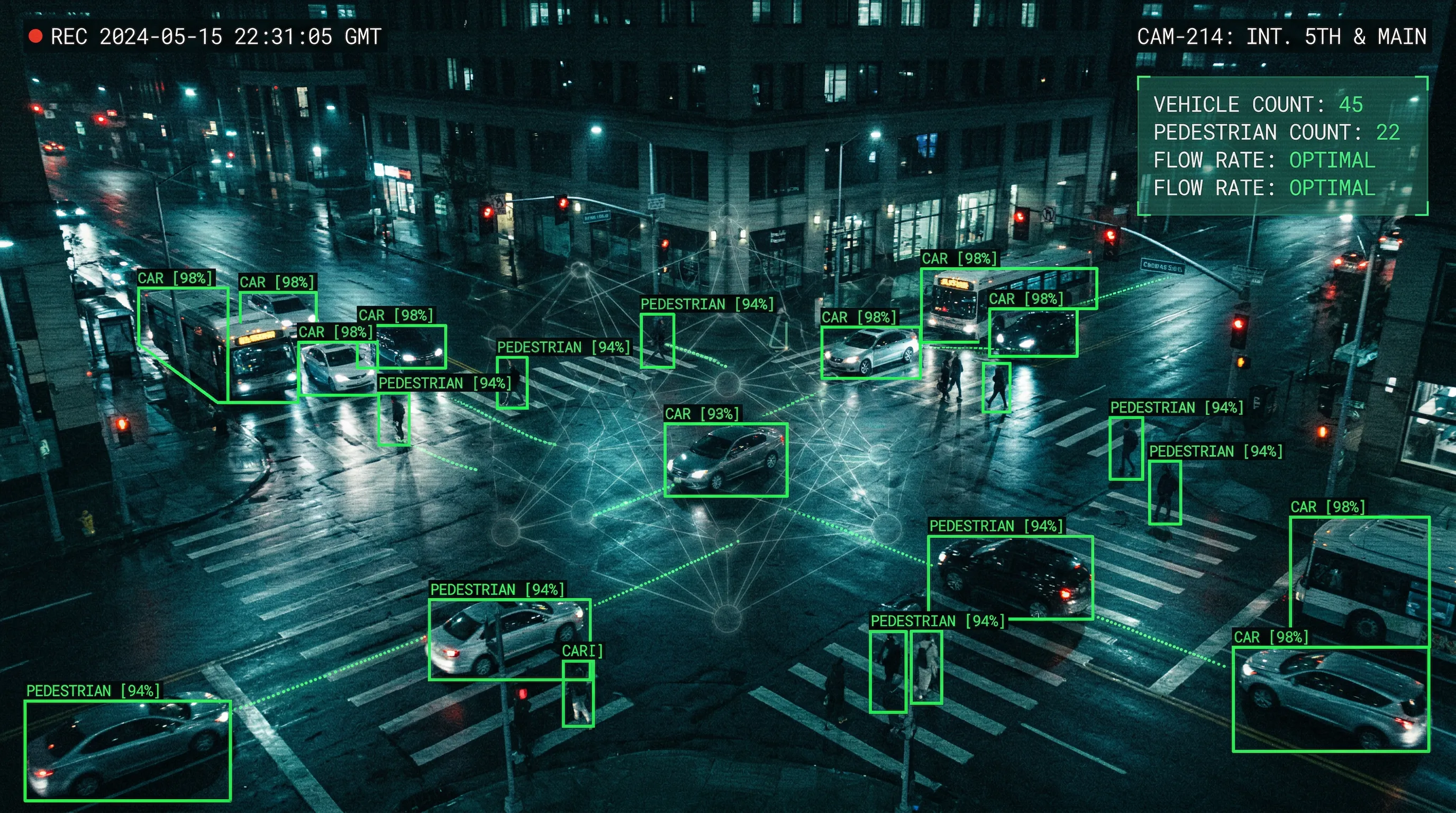
When a Rush Hour player watches a live Tokyo intersection and predicts vehicle counts for the next 55 seconds, they are doing something fundamentally different from pulling a slot lever. They are engaging pattern recognition, working memory, and real-time observation. The brain treats this as a skill challenge, not a coin flip.
The Skill Perception Effect
Research from the iGaming sector shows that skill-based games generate measurably longer session times than pure-chance formats. According to industry analysis, games where players believe their decisions influence outcomes produce 60% higher engagement and significantly better retention rates.
CCTV games sit at an interesting intersection. The outcome - how many vehicles cross a point in 55 seconds - is genuinely unpredictable. But the process of watching, counting, and estimating feels analytical. Players develop theories about traffic patterns, time-of-day effects, and camera-specific tendencies. Whether these theories improve their accuracy is almost beside the point. The act of forming and testing them activates the brain's mastery circuits.
Real Video Changes Everything
Traditional casino games use random number generators hidden behind animated graphics. CCTV games use live video feeds from real locations. This distinction matters psychologically.
When you watch an actual street in Bangkok or an intersection in London, your brain processes it as a real-world observation task - not a gambling interface. The AI bounding boxes and object detection overlays add a layer of technological credibility. Players are not just betting. They are watching, analysing, and predicting events happening in the physical world right now.
This is why Rush Hour clips spread so effectively on social media. The format is inherently watchable even without money on the line. The viral spread across crypto casino feeds was driven as much by the novelty of the viewing experience as by gambling content.
The Prediction Market Connection
CCTV games emerged at the same time prediction markets hit mainstream attention. Platforms like Polymarket normalised the idea that predicting real-world events is a valid form of engagement. A recent Morning Consult survey found that 81% of Americans consider prediction-based betting to be gambling - but the language of prediction and analysis still carries different psychological weight than "spinning" or "rolling."
The crypto casino sector has noticed. Forecast-based experiences that let players feel analytical rather than lucky are growing faster than traditional formats. Operators carrying CCTV games report that these titles attract a different demographic - players who would not typically engage with slots or table games.
What This Means for Players
None of this changes the mathematical reality. CCTV games carry a house edge, and long-term expected returns follow the same principles as any other gambling format. The RTP ranges published for Rush Hour and Duck River reflect genuine odds that favour the operator over time.
But the psychological engagement model is genuinely different. Players who understand this distinction can make better decisions about session limits and bankroll management. The sense of skill can make it harder to walk away - which is precisely why responsible play tools matter more, not less, in prediction-based formats.
The appeal of CCTV games is not an accident. It is a product of how human brains respond to observation, pattern recognition, and the feeling of agency - even in environments where the house still holds the edge.
More News